01LISTEN
Begin with lived experience.
Interviews, observation, and co-creation help me understand what safety, trust, and care mean in context before I define a solution.
 INDUSTRIAL DESIGNUX RESEARCHHCI
ABOUT / TRAUMA-INFORMED DESIGN + HCI
My practice began in industrial design, where I learned to understand people through objects, environments, behaviors, and everyday experiences. Moving into UX research and HCI expanded that attention from what people use to how systems make them feel and act.
Trauma-informed design is now the foundation of my work. I do not assume that every person enters an experience with the same history, capacity, or sense of safety. I look beyond the interface moment, at what people carry into an interaction and what remains afterward, to reduce uncertainty, protect dignity, and return meaningful choice and control.
This approach is not about defining people by trauma. It is about designing with awareness: listening before deciding, communicating clearly, avoiding unnecessary pressure, and creating flexible paths that let people participate on their own terms. Teaching design process keeps that practice reflective, collaborative, and accountable.
My Practice, in Five Parts
HOW I WORK WITH CARE
Interviews, observation, and co-creation help me understand what safety, trust, and care mean in context before I define a solution.
I pay attention to uncertainty, stress, power, privacy, and the moments when a system may make participation harder.
I create flexible paths, clear information, and respectful ways to pause, continue, or ask for support without losing control.
Prototypes help me learn whether an experience actually feels safe, transparent, accessible, and useful to the people it serves.
Teaching and collaboration keep trauma-informed principles active throughout the process instead of treating them as a final checklist.
HOW I APPLY IT
I study how safety, trust, choice, privacy, agency, and connection can shape digital experiences—especially across mental health, communication, and vulnerable moments.
Exploring how digital systems can reduce uncertainty, communicate clearly, and help people feel supported without becoming controlling or clinical.
Investigating how interfaces can protect dignity, offer meaningful control, and respect different boundaries during sensitive experiences.
Designing technology that supports reflection, communication, community, and wellbeing while recognizing that people’s needs change over time.
SAFETY · TRUST · TRANSPARENCY · CHOICE · AGENCY · PRIVACY · DIGNITY · CONNECTION



LIFE / PRACTICE
LIFE — High-adrenaline experiences keep me present.
PRACTICE — I stay open, notice overlooked moments, and ask better questions.
LIFE — Cooking for loved ones is one of my favorite ways to show care.
PRACTICE — I create experiences that help people feel understood and supported.
LIFE — My inner child is active, and I love playing with kids.
PRACTICE — I explore freely, prototype early, and make room for unexpected ideas.
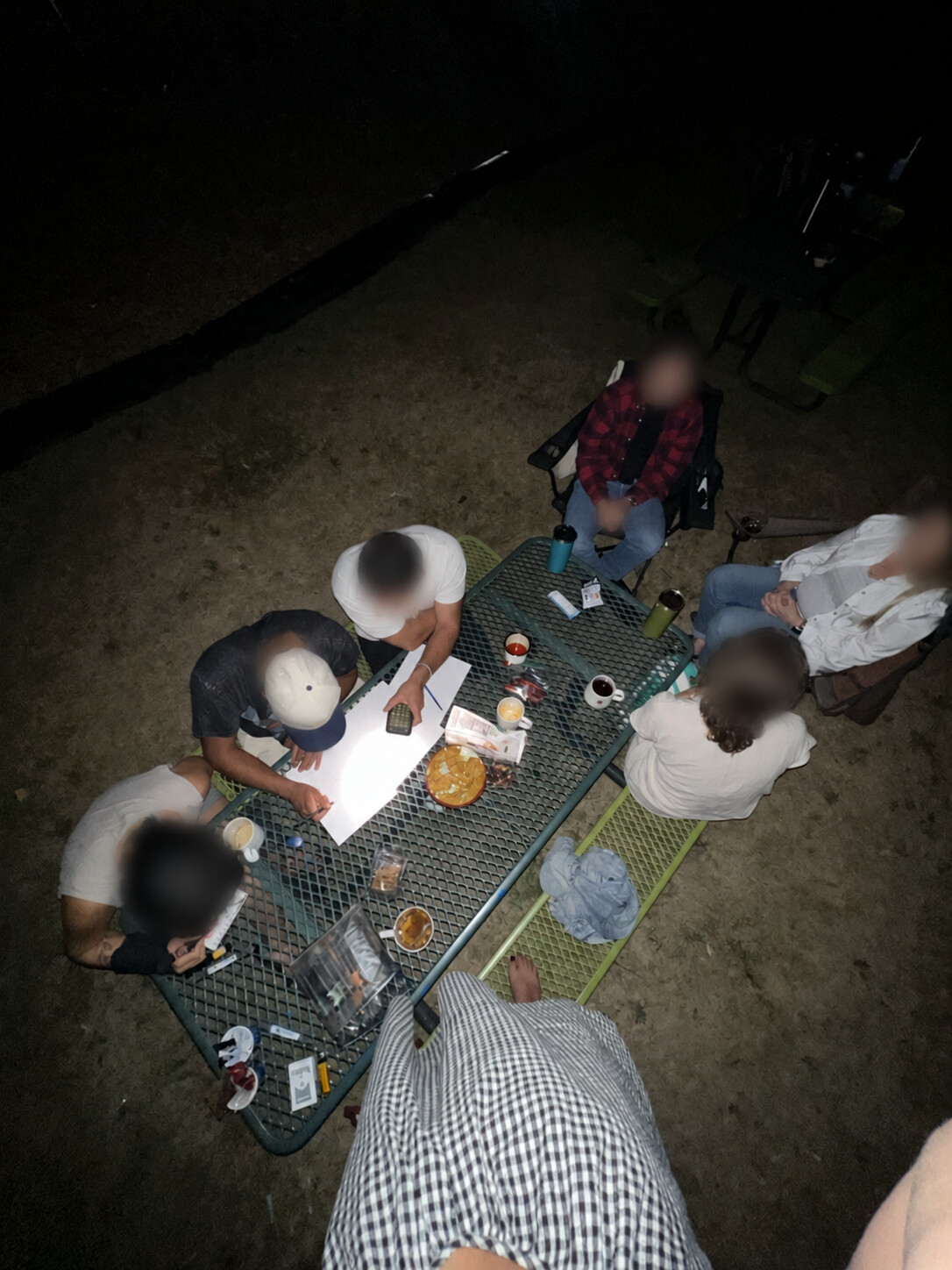
LIFE — I love hosting, meeting people, and making everyone feel welcome.
PRACTICE — I design for connection, belonging, and shared experiences.